2006 TOP TEN Number 7

The winter season of 2006 began with Japan was bracing for more snow after some of the heaviest snowfall on record that has left 57 people dead and paralysed transport. Almost 13 feet of snow has piled up in the worst-hit areas of the Japan sea coast. And in February, the US saw it's record books changed. A record-breaking storm buried sections of the Northeast under more than 2 feet of snow.
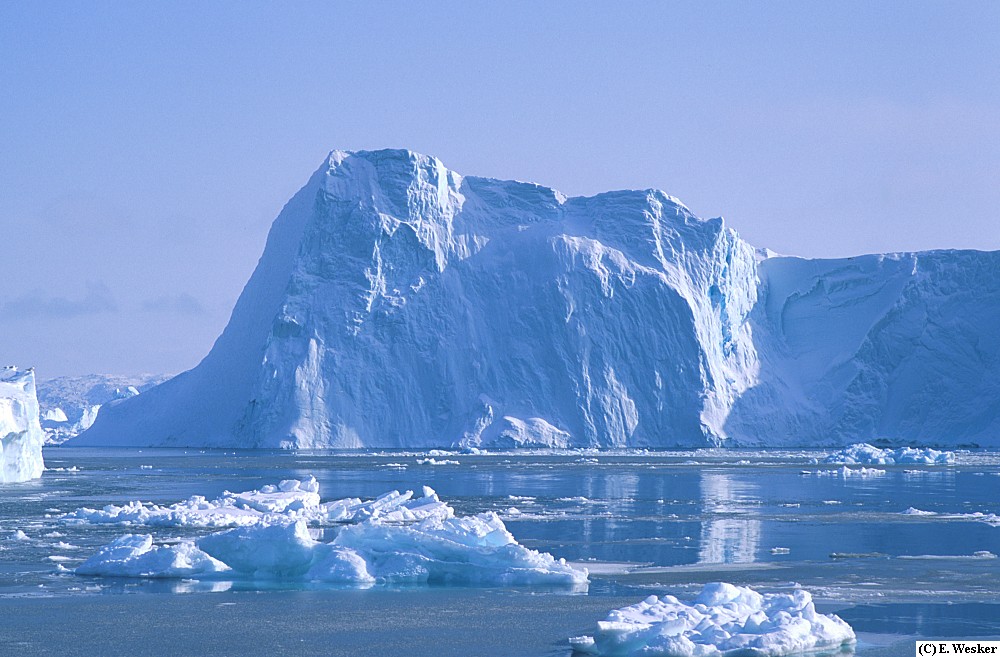
Weeks later it was reported that Antarctica was losing about 36 cubic miles of ice every year. For comparison, Los Angeles consumes roughly 1 cubic mile of fresh water a year. The south polar region holds 90 percent of Earth’s ice and 70 percent of the total fresh water on the planet, so any significant pace of melting there is important and could contribute to an already rising sea.
By summer, global warming became one of the hottest topics discussed. Scientists reported that the earth was hotter than it had been in nearly 2,000 years and that the earth was continuing to heat up. Other new research showed that global warming produced about half of the extra hurricane-fueled warmth in the North Atlantic in 2005, and natural cycles were a minor factor.  Throughout the coming months, record high temperartures were reported across the country with the continental United States suffered through its second-hottest July on record because of a blistering heat wave from California to Washington, D.C. The heat wave broke more than 2,300 daily temperature records for the month and eclipsed more than 50 records for the highest temperatures in any July. Also, heavy rain and flooding were reported throughout El Paso, Texas.
 Throughout the coming months, record high temperartures were reported across the country with the continental United States suffered through its second-hottest July on record because of a blistering heat wave from California to Washington, D.C. The heat wave broke more than 2,300 daily temperature records for the month and eclipsed more than 50 records for the highest temperatures in any July. Also, heavy rain and flooding were reported throughout El Paso, Texas.
More recently, NASA scientisits reported that the vast sheet of ice that covers Greenland is shrinking fast, but still not as fast as previous research indicated. The Greenland ice sheet is considered an early indicator of the consequences of global warming, so even a slower ice melt there raises concerns.